


What Is a Llaut? Mallorca's Traditional Boat | Medvolt Club
What Is a Llaut? Mallorca's Traditional Wooden Boat
What Is a Llaut?
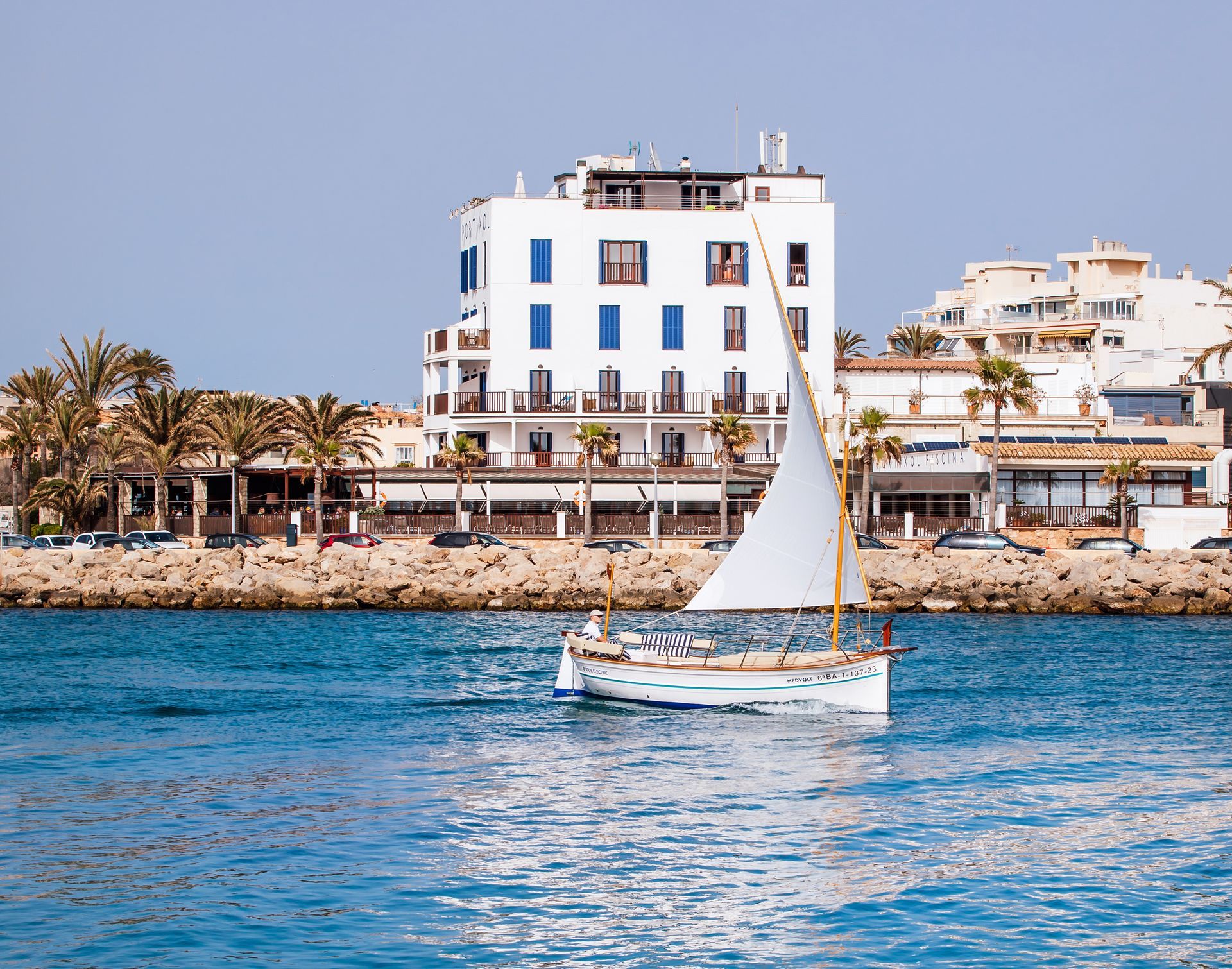
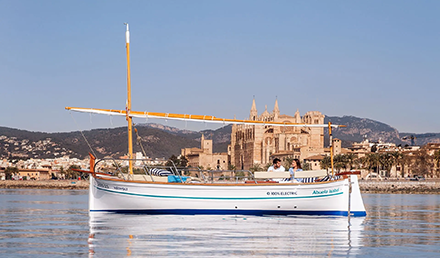
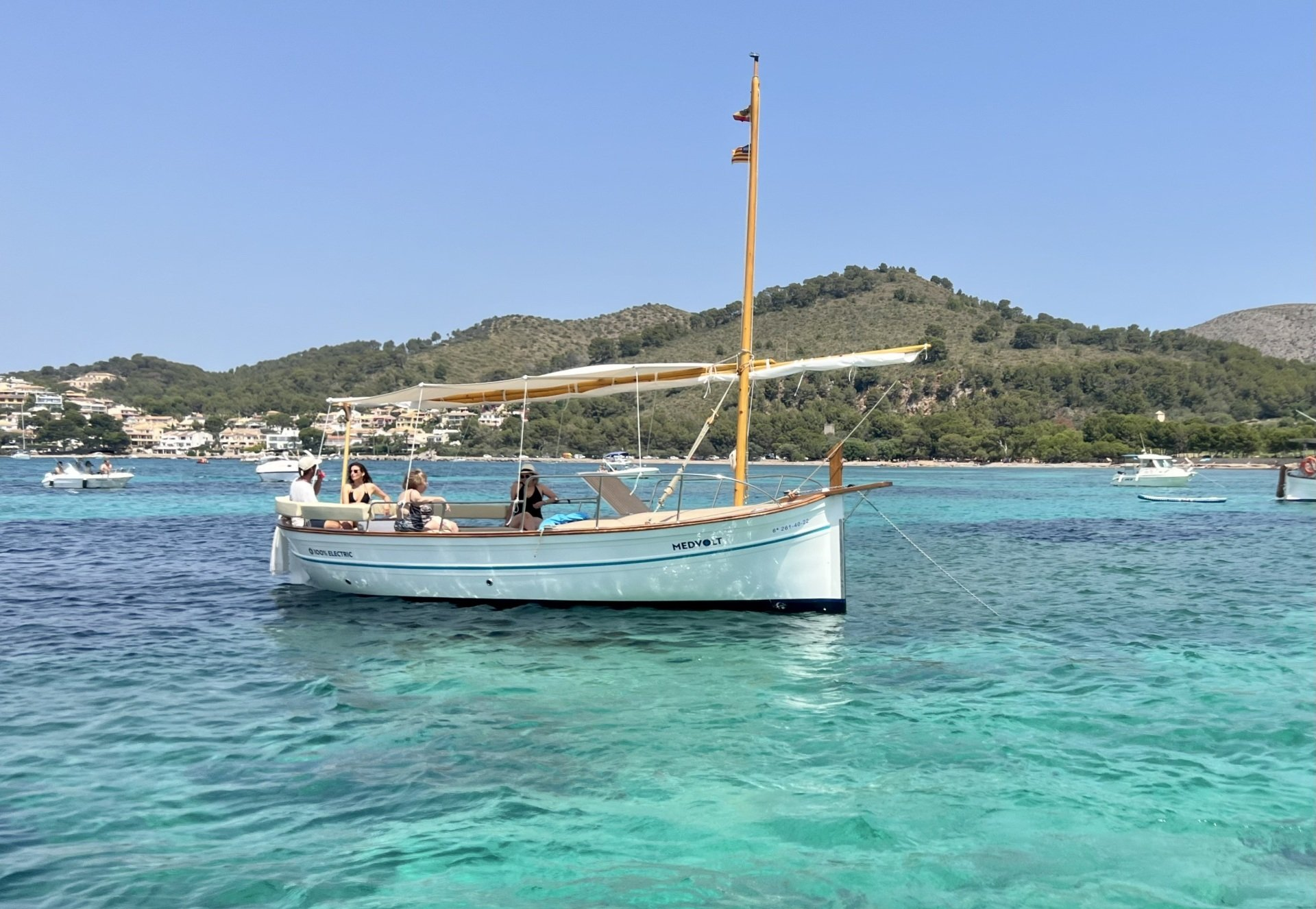
A llaut (Catalan: llaüt) is a traditional wooden boat typical of the Balearic Islands and the Catalan Mediterranean coast. For centuries it was used for fishing and for carrying goods along the coast. Today it remains a symbol of Mallorca's maritime heritage, and some people are reinterpreting it with modern construction and electric propulsion to sail slowly and sustainably.
Where the llaut comes from
The llaut began as a working boat. Fishermen and small traders around the Mediterranean needed a light, stable boat that could be easily beached or kept in a small harbour. The result was a design repeated with local variations: a wooden hull, fine lines, a raised bow and a length ranging from a few metres to around ten.
What a llaut looks like
AEvery shipyard and island had its own variant, but a traditional llaut usually has:
- A wooden hull, built by hand by shipwrights.
- Simple, light lines, designed for sailing close to the coast.
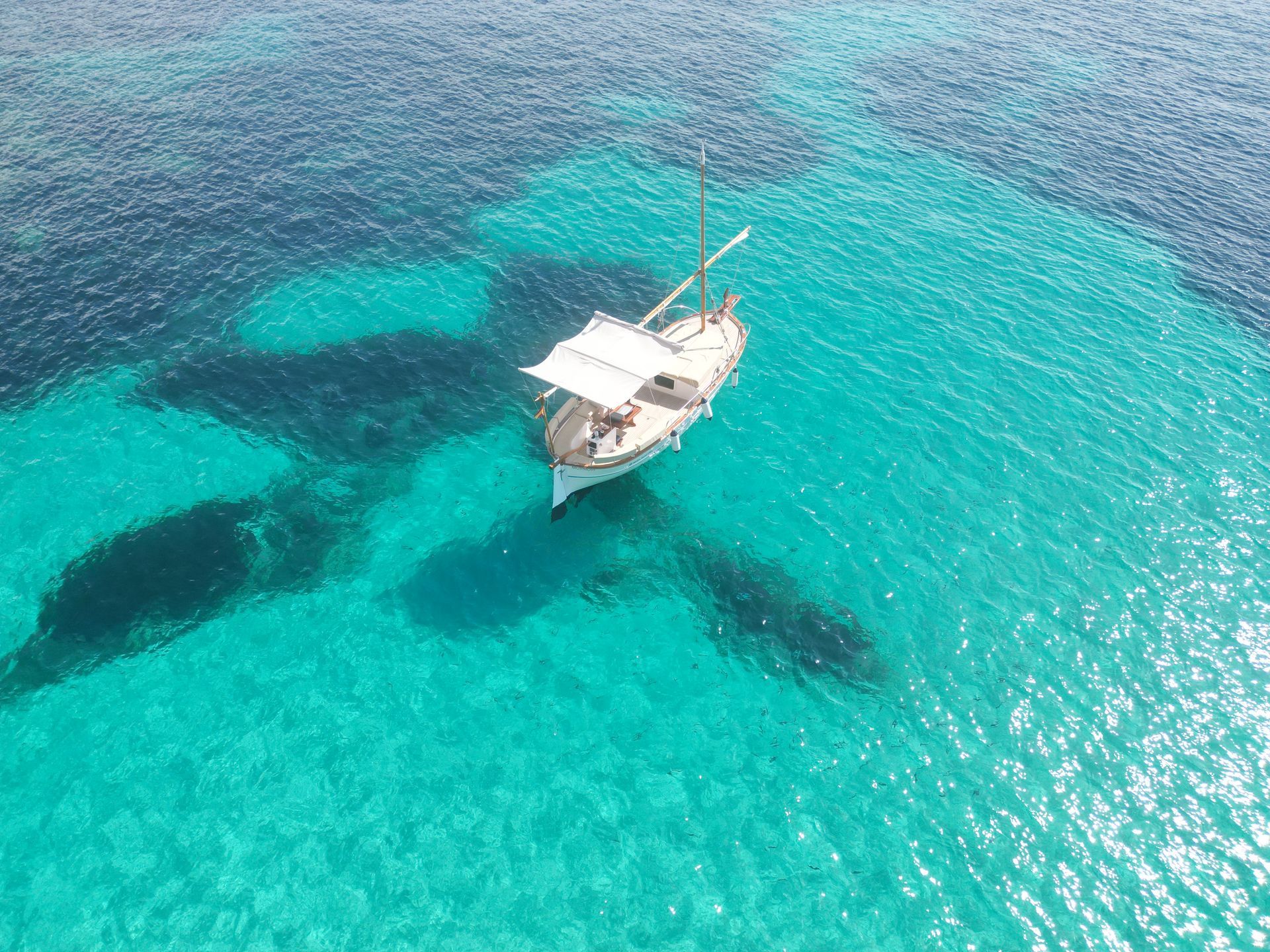
- A shallow draught, so it can approach coves and anchor in shallow water.
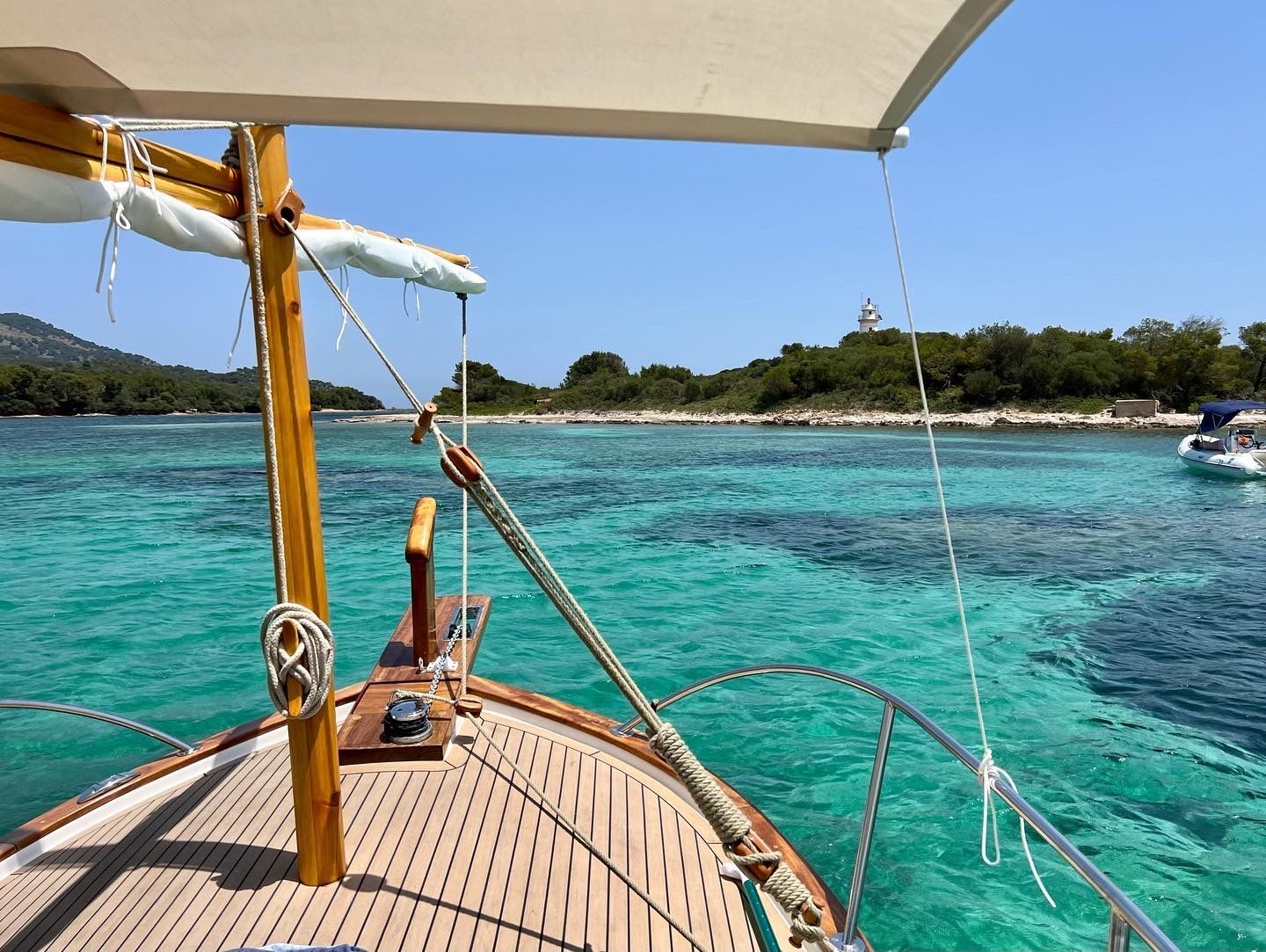
- A lateen sail, a triangular sail on a long yard, characteristic of the Mediterranean.
The lateen sail and the engine
Before engines, the llaut sailed. The lateen sail made good use of the wind in coastal waters and could be handled by a small crew. In the 20th century combustion engines arrived, and many llauts became motorboats that kept their traditional hull.
Today there is a third option: build a modern llaut with the style and spirit of the traditional ones, and power it with electricity instead of combustion. That is the idea we stand for at Medvolt Club.
The electric llaut: tradition, with less noise
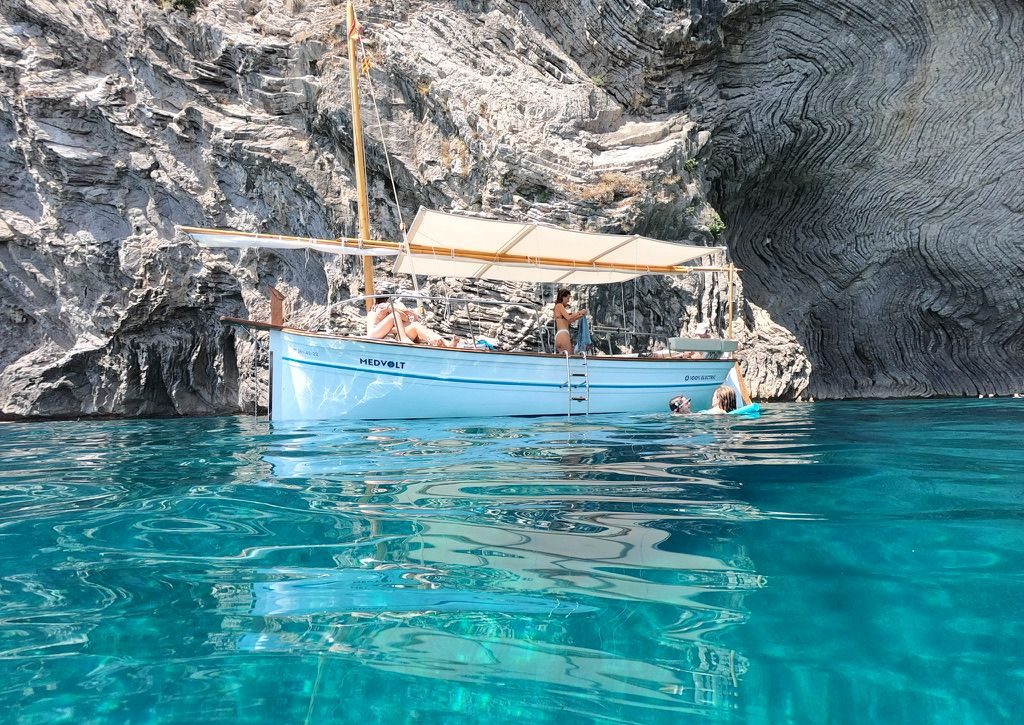
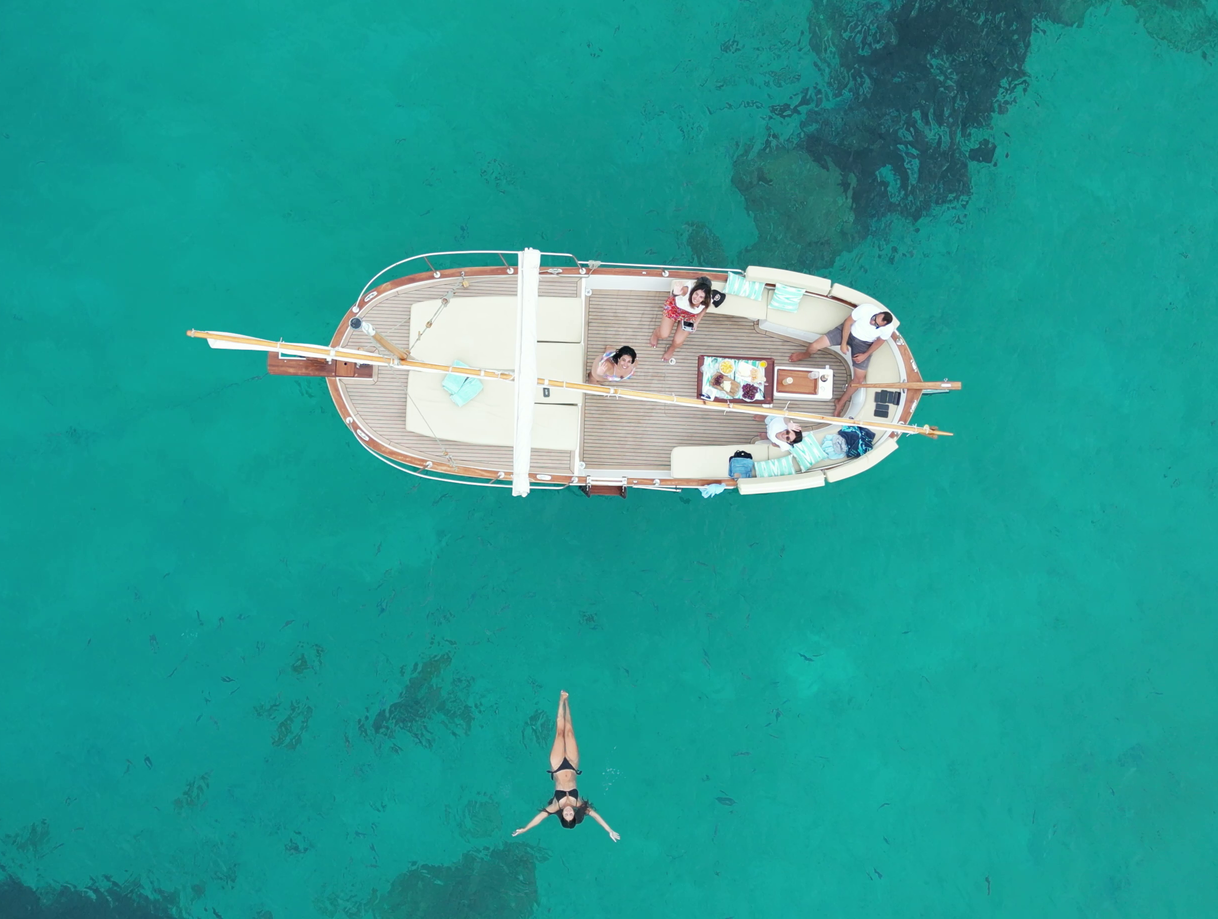
An electric llaut keeps the character of the traditional boat and removes the emissions and noise of a combustion engine. For guests, the difference shows up where it matters on board: you hear the sea, you can talk without raising your voice and the trip feels calmer. For the surroundings, it means less disturbance to wildlife and less pollution in the bay.
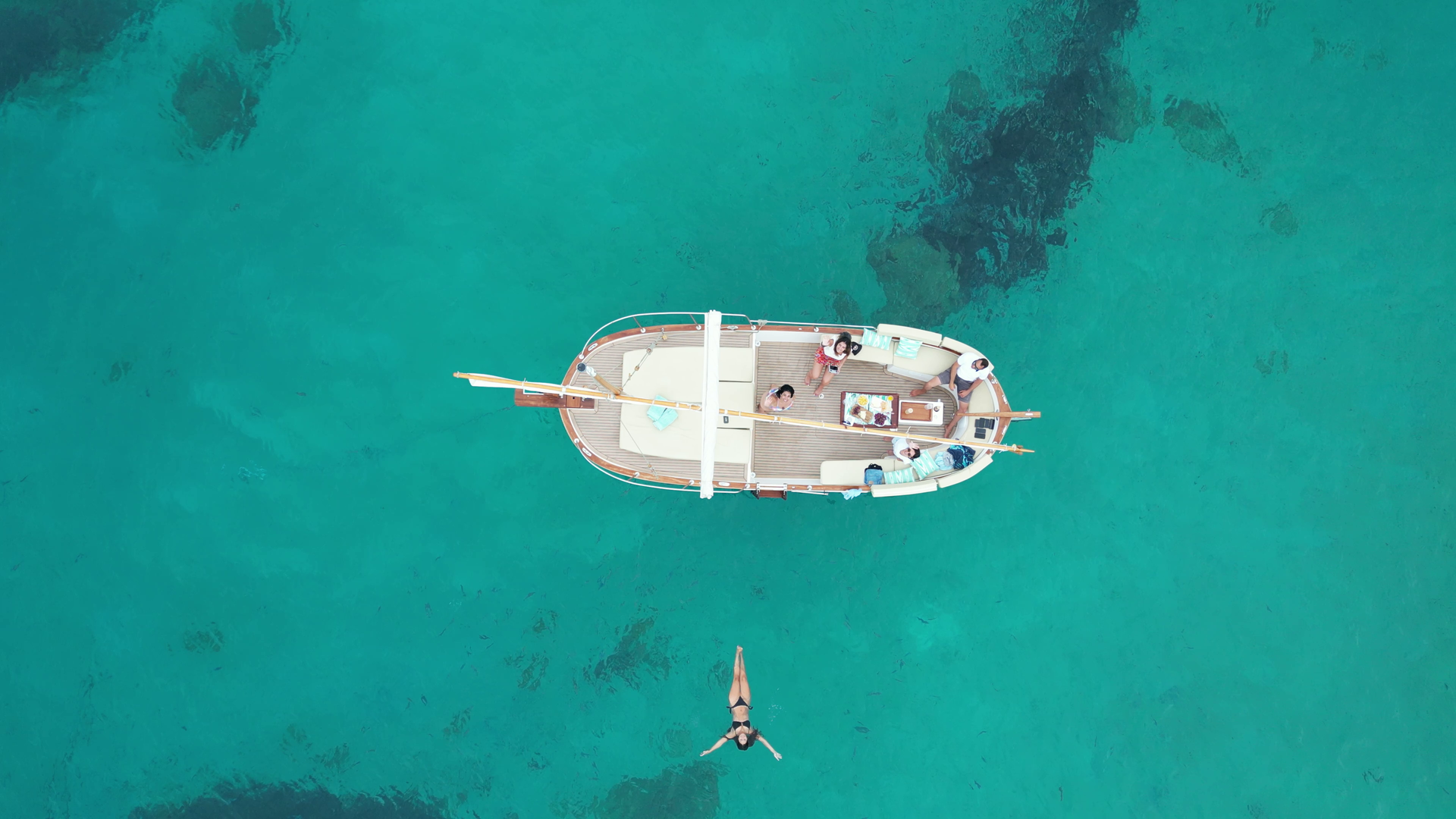
Medvolt Club's llauts are modern builds in the traditional style, 7.3 metres long, with 100% electric propulsion and zero emissions while sailing. They also carry a lateen sail, which we can use if guests ask for it. We sail from several bases in Mallorca.
How to experience a llaut in Mallorca
If you would like to see a llaut at sea, these are our bases:
Frequently asked questions about the llaut
What is a llaut?
A llaut is a traditional wooden boat from the Balearic Islands and the Catalan coast, historically used for fishing and carrying goods. It is known for its light hull, shallow draught and, in its classic form, the lateen sail.
Is it llaut or llaüt?
In Catalan the correct form is llaüt, with a diaeresis. In Spanish it is often written llaut, and the Spanish equivalent word is laúd. In practice, all three refer to the same type of boat.
How long is a llaut?
It depends on the use and the shipyard. Traditional llauts range from a few metres to around ten in length. Coastal fishing llauts tended to be the smallest. Medvolt Club's llauts are 7.3 metres long.
What is the difference between a llaut and a sailing yacht?
A llaut is a traditional type of boat with a hull and rig typical of the region, designed for coastal use. A modern sailing yacht is usually fibreglass, with a more complex rig and built for longer passages.
.
Can I sail on a llaut in Mallorca?
Yes. At Medvolt Club we offer electric llaut trips from Palma, Alcudia and other bases. You can see the experiences available on each page.
Can I sail under sail on your llauts?
Yes. Our llauts carry a lateen sail and we use it if guests ask for it. The rest of the time we sail on 100% electric propulsion, which is quiet and emission-free.
What is an electric llaut?
It is a llaut that keeps the shape and character of the traditional boat but moves with an electric motor instead of a combustion engine. Ours are 100% electric, with zero emissions while sailing, and much quieter.